
Small cuts are a common part of daily life and can often be handled safely at home with calm and careful attention. Proper care helps the skin recover comfortably while reducing irritation and supporting natural healing. Using simple first aid methods can make a big difference in keeping a minor cut clean and protected.
Start by Cleaning Your Hands
Before touching the cut, make sure your hands are clean. This lowers the chance of dirt reaching the injured area.
- Wash hands thoroughly with soap and water
- Dry hands using a clean towel
- Avoid touching the wound unnecessarily
- Keep nearby surfaces clean while treating the cut
Rinse the Cut Gently
Cleaning the cut is one of the most important steps. Gentle rinsing helps remove dust and small particles.
- Use clean running water over the cut
- Remove visible dirt carefully
- Pat the area dry with a soft cloth
- Avoid harsh scrubbing on sensitive skin
Keeping the wound clean encourages smooth healing and reduces discomfort.
Apply Light Pressure if Bleeding Continues
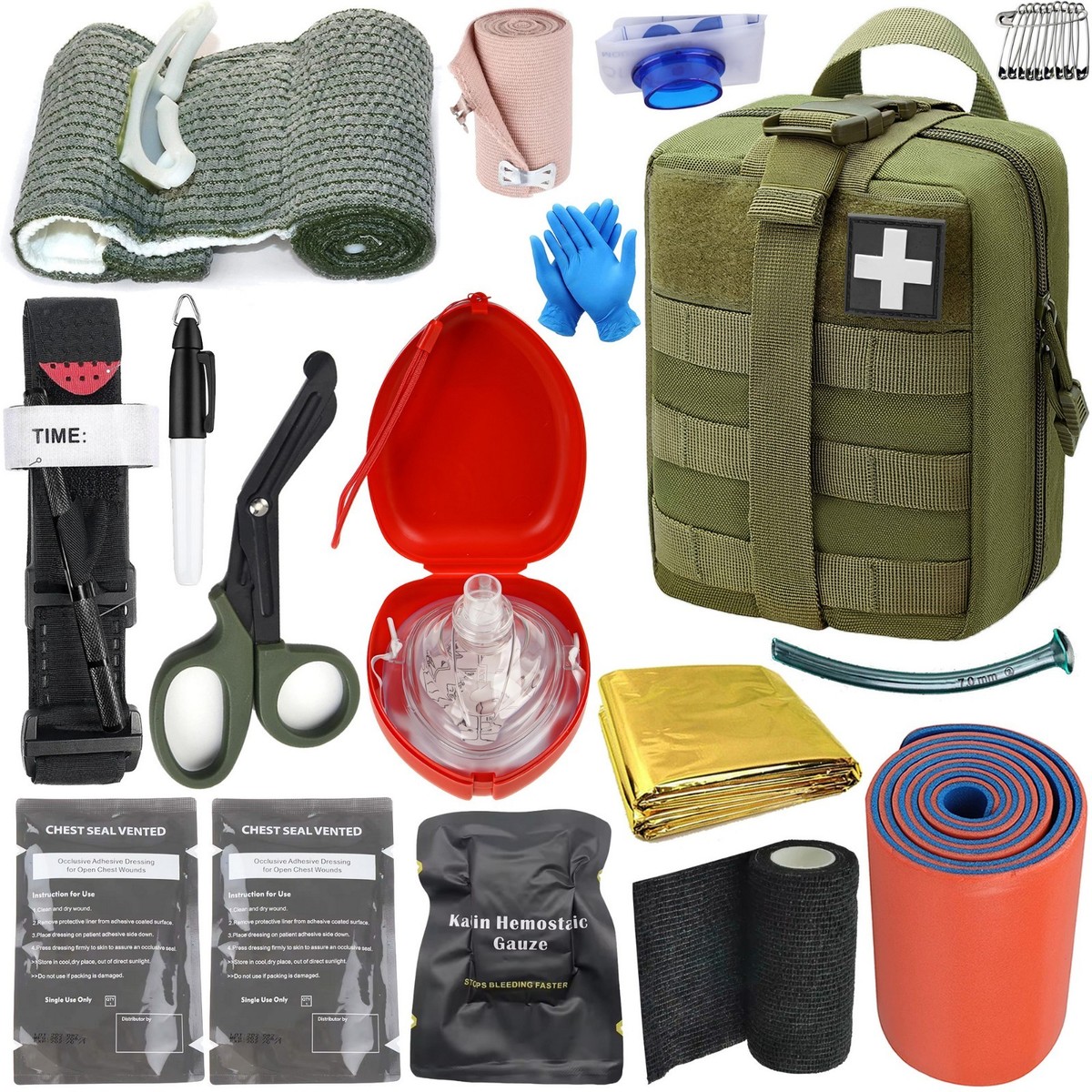
Minor bleeding usually slows down quickly with gentle pressure.
- Use a clean cloth or sterile pad
- Press softly for several minutes
- Keep the injured area elevated if possible
- Stay calm and avoid repeated checking
Once the bleeding stops, the skin can begin recovering naturally.
Protect the Area Properly
Covering a small cut can help how to close a cut without stitches prevent irritation from dust and friction.
Helpful Protection Tips
- Use a clean dressing or bandage
- Change the covering daily
- Replace it sooner if it becomes wet or dirty
- Allow the skin to breathe for short periods indoors
A protected wound often heals more comfortably and stays cleaner throughout the day.
Keep the Skin Moisturized
Dry skin around a cut may feel tight or uncomfortable. Gentle moisture can support the healing process.
- Apply a light layer of skin-safe ointment if needed
- Avoid using too much product
- Keep the surrounding skin soft and clean
- Prevent cracking caused by dryness
Balanced moisture can help the skin recover evenly.
Avoid Picking or Scratching
As the cut heals, a scab may form. Leaving it alone allows the skin to repair itself naturally.
- Do not scratch itchy areas
- Avoid peeling dry skin around the wound
- Keep fingernails clean and trimmed
- Wear protective covering during physical activity
Patience supports smoother healing and helps reduce visible marks.
Eat and Rest Well
The body heals better when it receives proper care from within.
Healthy Habits That Support Recovery
- Drink enough water during the day
- Eat fresh fruits and vegetables
- Include protein-rich foods in meals
- Get enough sleep and rest
Simple healthy habits can improve overall recovery and comfort.
Watch for Positive Healing Signs
Most minor cuts improve steadily within a few days.
Common Signs of Healthy Healing
- Reduced redness over time
- Less tenderness around the cut
- Formation of new skin
- Clean and dry wound surface
Paying attention to healing progress can help you feel more confident during recovery.
Treating small cuts at home can be simple, safe, and effective when done with care. Cleanliness, protection, and patience are often all that is needed to help the skin recover naturally and comfortably.
