
Effective inventory storage is not just about finding space. It is about creating order, maintaining control, and ensuring that goods are available when needed without confusion or delay. When inventory is stored without a clear system, even simple tasks become time consuming. Organized and controlled storage solutions help businesses maintain accuracy, reduce waste, and support smooth daily operations.
As operations grow, many businesses adopt inventory storage solutions to replace improvised methods that no longer scale. Controlled storage brings structure to how goods are placed, tracked, and accessed. This structure allows teams to work confidently, knowing inventory is where it should be and in the condition expected.
Categorized placement systems
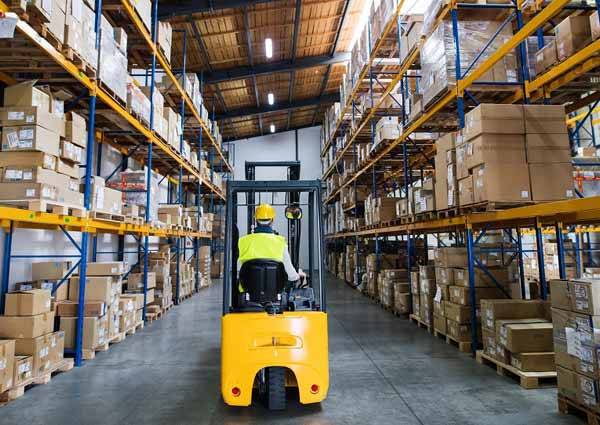
Categorization is the foundation of organized storage. When inventory is grouped logically, teams spend less time searching and more time executing tasks. Categorized placement systems assign specific locations based on product type, size, or usage patterns.
Clear categorization supports
- faster picking and restocking
- reduced risk of misplacement
- easier training for new staff
- improved visibility across inventory types
When every item has a defined place, storage becomes predictable. This predictability reduces errors and helps maintain consistency even as inventory levels fluctuate.
Dynamic allocation protocols
Inventory needs change over time. Dynamic allocation allows storage layouts to adjust without disrupting operations. Instead of fixed locations that become inefficient, space is reassigned based on current demand and movement patterns.
Dynamic protocols help businesses respond to changes calmly. High demand items can be moved closer to access points, while slower inventory is repositioned strategically. This flexibility keeps storage efficient without constant reorganization.
Dynamic allocation also supports growth. As new products are introduced, storage adapts smoothly rather than becoming crowded or confusing.
Real time tracking
Visibility is critical for control. Real time tracking ensures inventory data stays accurate as goods move in and out of storage. Updates happen automatically, reducing reliance on manual checks that can quickly fall behind.
Accurate tracking supports
- confident inventory planning
- reduced stock discrepancies
- faster decision making
- smoother coordination between teams
When tracking is reliable, teams trust the data they see. This trust reduces second guessing and unnecessary rechecks, saving time and effort.
Reduced retrieval delays
Retrieval speed affects the entire operation. Poorly organized storage leads to delays that ripple through fulfillment and distribution. Controlled storage layouts are designed to minimize these delays by keeping frequently accessed items within easy reach.
Reduced retrieval delays are achieved through
- logical placement based on movement frequency
- clear labeling and signage
- unobstructed access paths
- consistent handling routines
When retrieval is quick and reliable, operations stay on schedule and customer commitments are easier to meet.
Maintaining control at scale
As inventory volumes increase, control becomes more challenging. Without structured systems, growth often leads to chaos. Inventory storage solutions are designed to maintain control even as scale increases.
Control at scale means accuracy does not decline with volume. Systems and layouts support higher throughput without sacrificing organization. This stability allows businesses to expand confidently without constant firefighting.
Inventory storage solutions offering organized and controlled holding capabilities provide the structure businesses need to operate smoothly. Through categorized placement, dynamic allocation, real time tracking, efficient retrieval, and scalable control, storage becomes a strategic asset. When inventory is organized and controlled, teams work faster, errors decrease, and operations remain steady even as demands grow.
